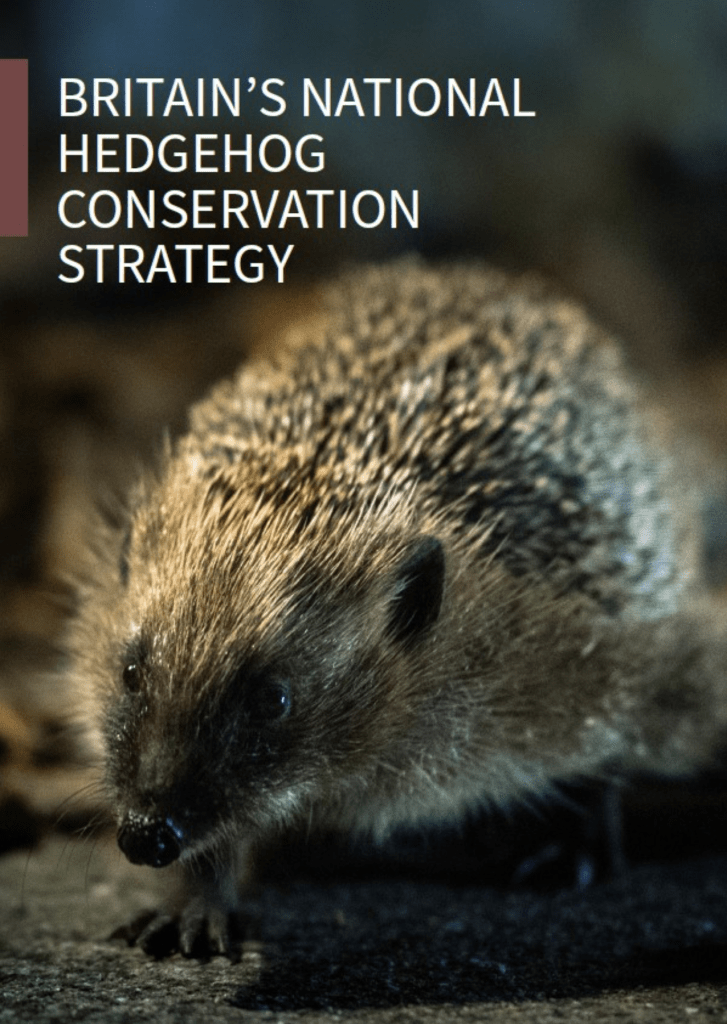
Britain’s first National Hedgehog Conservation Strategy has been published.
by Tamar
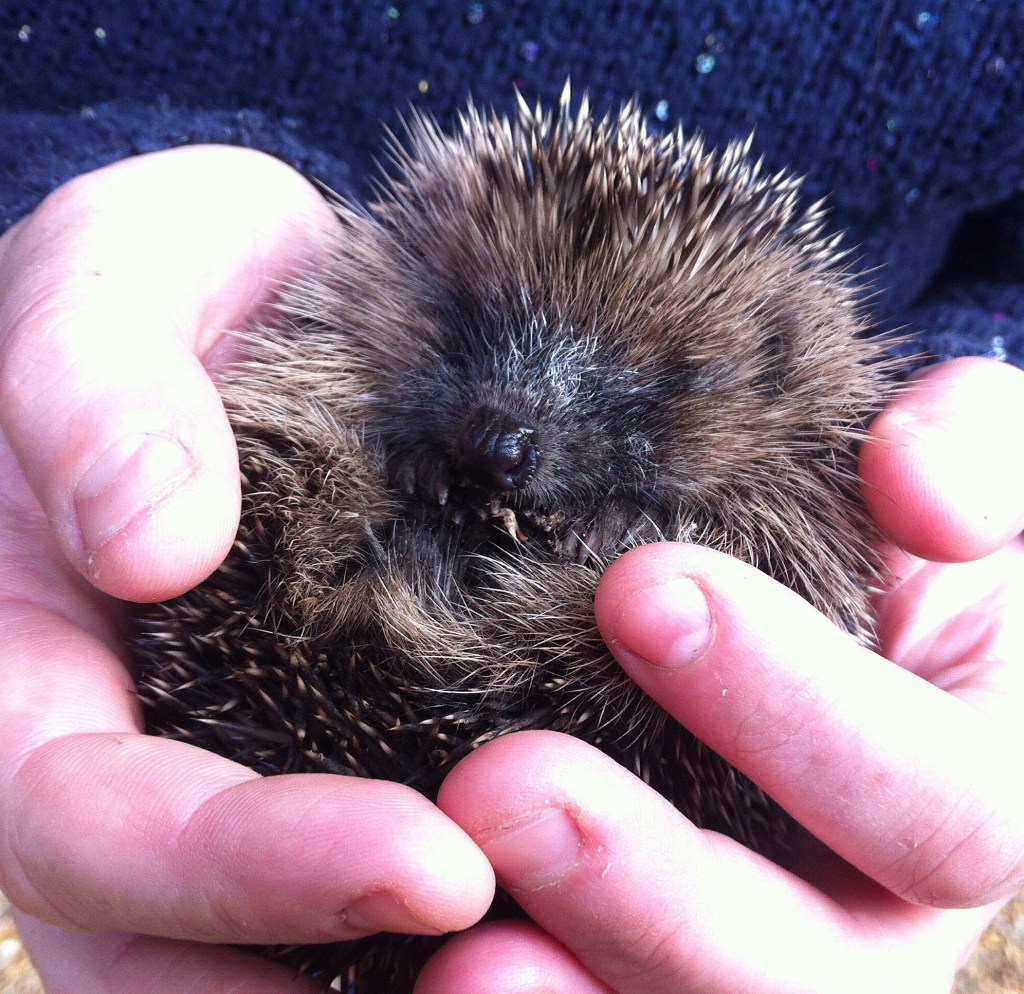
Hefty Erinaceus europaeus found struggling in a drain, Beeston (he recovered fully).
The newly published National Hedgehog Conservation Strategy, by The British Hedgehog Preservation Society (BHPS) and the People’s Trust for Endangered Species (PTES), highlights factors causing a decline in native hedgehog populations which urgently need addressing over the coming decade in order to halt the decline and restore numbers in rural and urban Britain.
People’s Trust for Endangered Species (PTES) and The British Hedgehog Preservation Society (BHPS) have been top of the chain on hedgehog conservation in Britain for many years, and decided to ‘partner up’ in 2011. Working together, they have produced this and other reports; and run Hedgehog Street: a public engagement campaign to get local residents and communities to create hedgehog highways, habitat, greater awareness and protection on a grassroots level. The Strategy goes on to say,
“Both organisations recognised a need for improvements to their existing conservation strategy document for hedgehogs and wanted an approach with more detail, quantitative objectives, and comprehensive stakeholder engagement and support.“
The Civic Society has long called for strategic and mandatory measures to protect and encourage wildlife by our local policy makers, and many of the six areas identified in the threat analysis could be seriously mitigated by quick action by our Local Authorities. We heartily welcome, endorse and support this report, and are grateful for the insight it gives, and the potential for real change it could help us – and other stakeholders and campaigners – achieve. The vision of the Strategy is clear, and chimes with our own:
“It’s 2053… Wild hedgehog populations are thriving from towns to countryside, supported through our combined actions, meeting the needs of people and nature.”
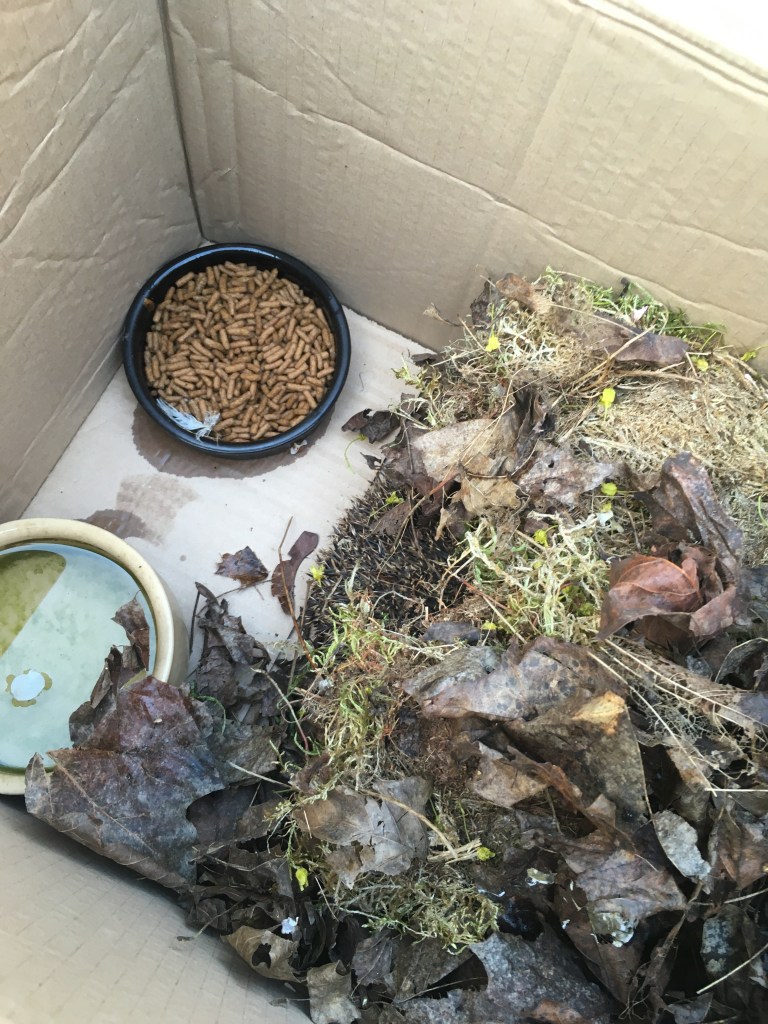
If you live in Beeston, your local Hedgehog Rescue should be the first port of call if you see any hedgehogs in distress, injured, behaving oddly or are out in the day. What to do: 1. The first thing you should do is keep the hog safe and warm: Place a covered hot water bottle filled with warm – not hot!- water (don’t let it go cold, keep reheating) in one area of the box, allowing space elsewhere for the hog to go if it wishes to. If you can, cover the hog with a towel or blanket or torn paper/leaves, anything to make it feel safe and retain heat. 2. Place a shallow bowl of clean water and a small amount of wet cat food or hedgehog food in the box too. 2. Immediately call your wildlife rescue. If they cannot help you (if they are full, for example), they will give you details of another person to call, and some advice.
Whether its creating a Hedgehog Highway, not using pesticides, putting out suitable supplementary food, or leaving bits of your garden untamed and untidy – if you’re doing something to help Hedgehogs in your garden or place of work, we’d love you to share your story!
Get in touch or tag us in your hog posts (@beestoncivicsociety) on social media.
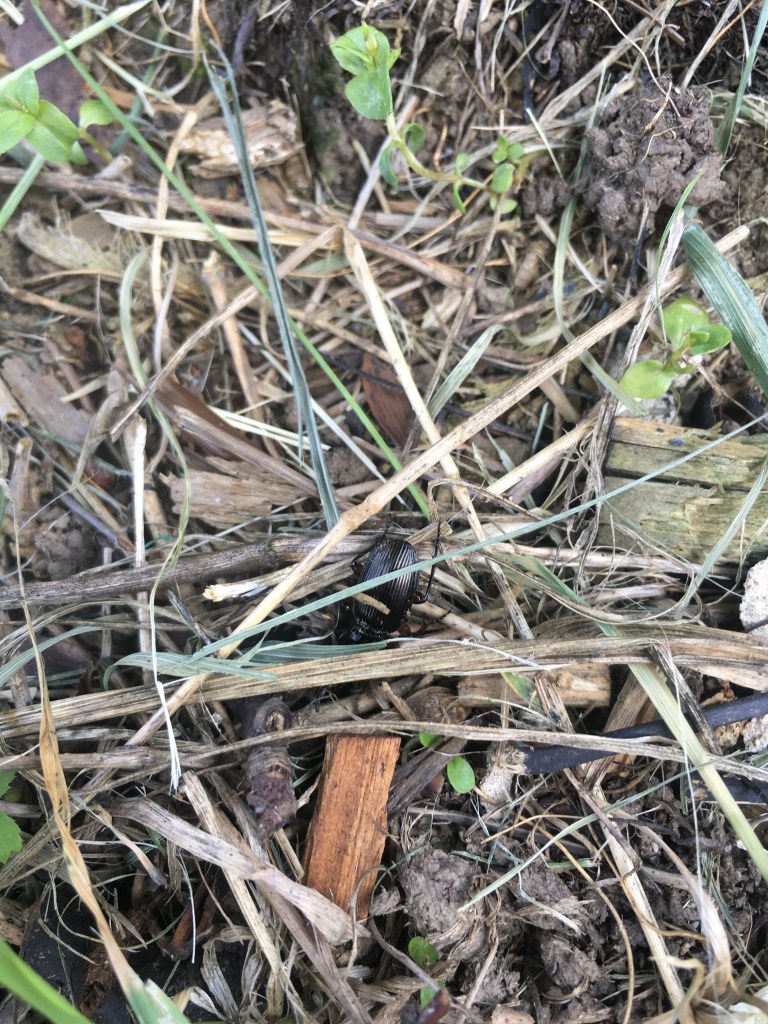
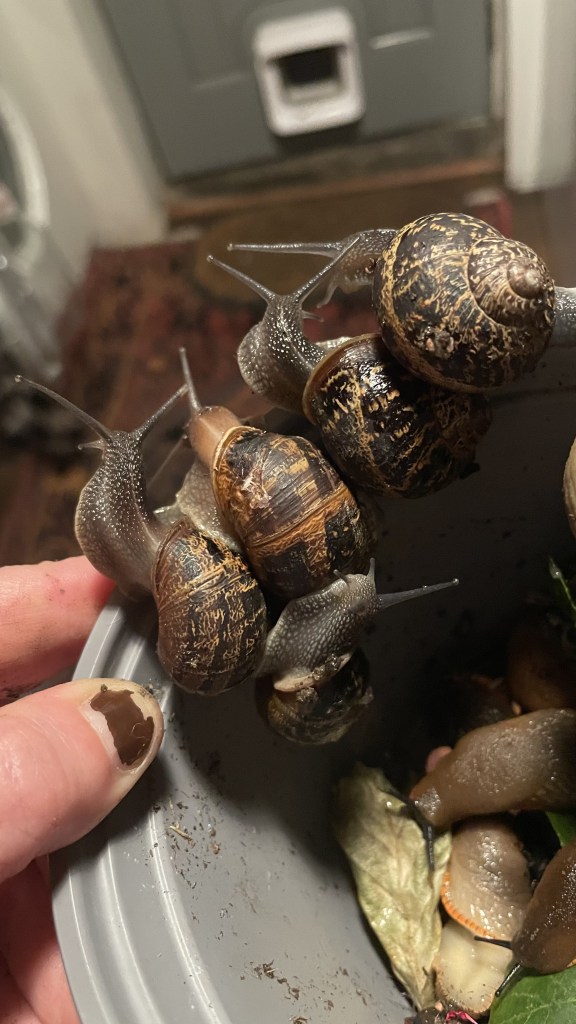
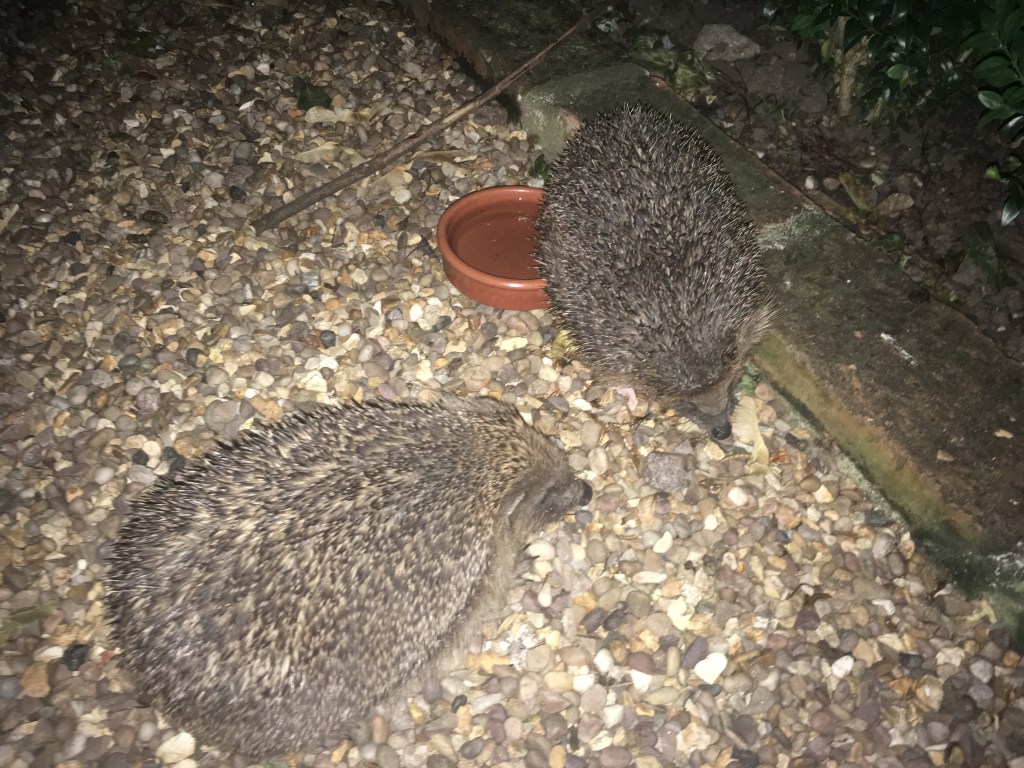
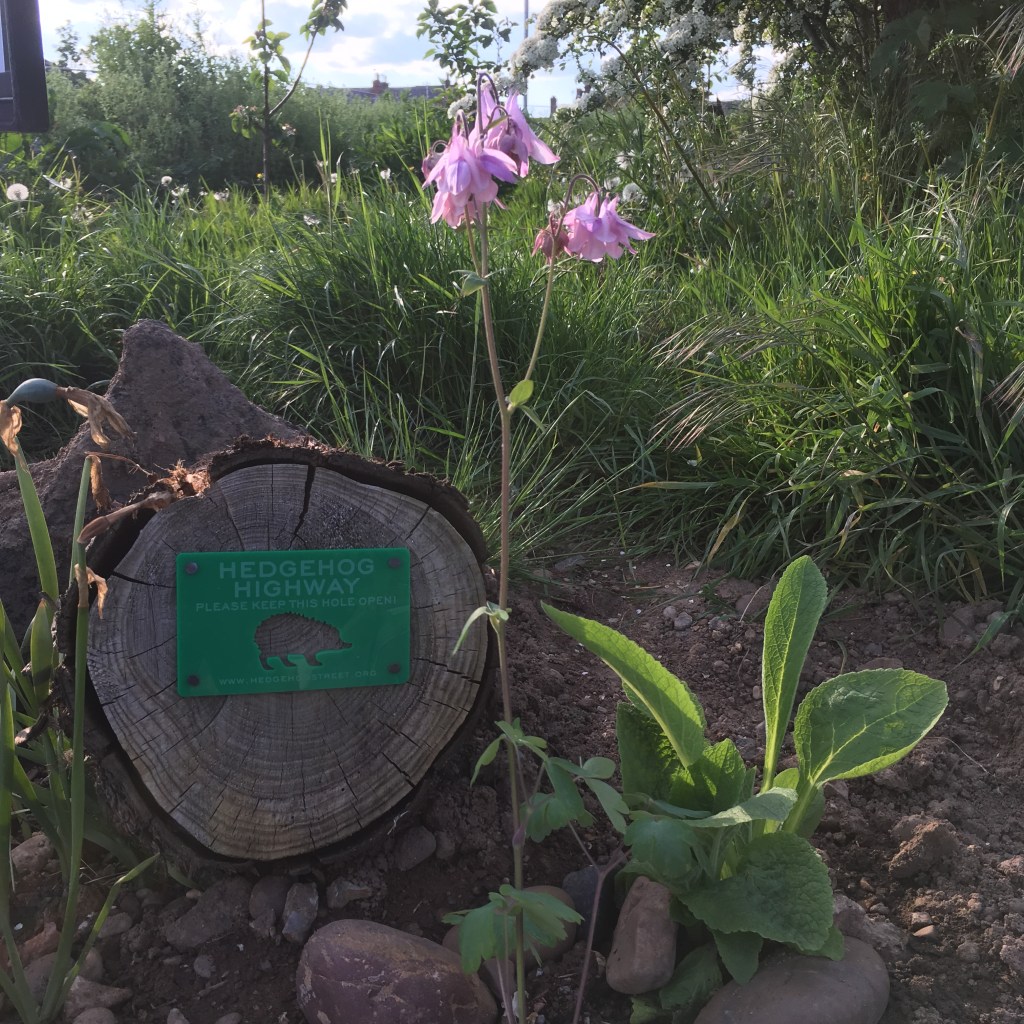
hedgehog found in the day being kept warm waiting for wildlife rescue attentionA sturdy hog house spotted at The Crown Inn, Beeston – suitable for hibernation!Hedgehogs eat beetles, worms and many other critters. Make home for them, and you’re already helping hogs.Nature is an ecosystem. Poison one; you could be poisoning all. Stop using pesticides!If you see a hedgehog out in the day, keep it warm in a box and ring your local wildlife rescue immediately!a shallow dish of fresh water will bring all the hogs to your yard.Join up with neighbours to make Hedgehog Highways. If you have fences or walls with no gaps at ground level – make a hole! Contact Hedgepigs to ask for help from Dan, their friendly Hog Hole maker – he will come drill you a hole in your fence or ground board.



 Beeston Civic Society